

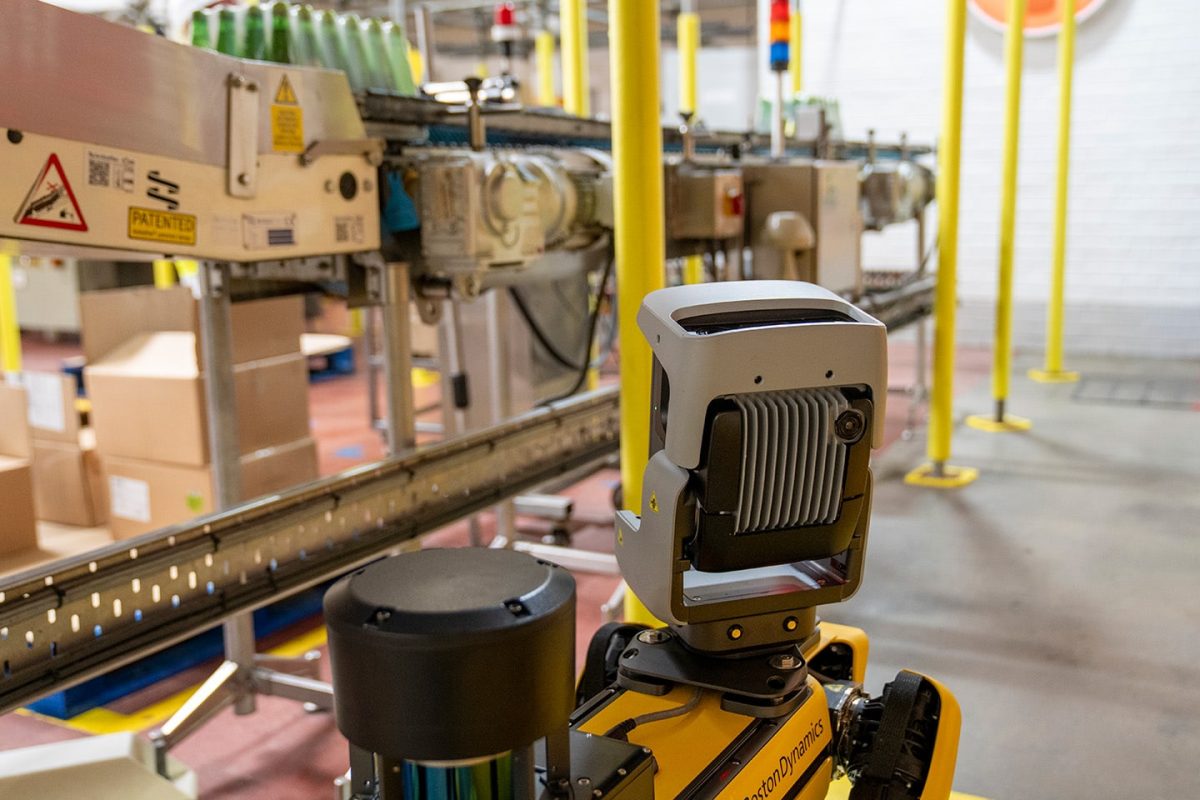
Boston Dynamics describes its Spot 5.2 update as a connecting layer between its Spot quadruped robot and the industrial software already running on site. The company starts from an observation: many factories have stacked up computer vision cameras, anomaly detection sensors and maintenance software (CMMS, ERP) with built-in language models, but these systems work in silos, leaving operators to connect them by hand.
According to Boston Dynamics, 5.2 first reworks the architecture of Orbit, the software that manages the Spot fleet and centralises its data. Orbit now organises its information around assets (equipment) rather than inspections, to match enterprise systems such as CMMS, MES or EAM.
How Orbit now organises Spot data around equipment
In both new and existing Orbit instances, users can import asset hierarchies with their metadata, then link those assets to inspections. By adding information such as location, equipment type, criticality, manufacturer or model, the company promises finer alert filters and dashboards. Boston Dynamics gives the example of an administrator subscribing engineers who work on pumps only to pump anomaly alerts, or a plant manager viewing anomaly trends across all assets, all pumps on the site or only those in a specific area.
Orbit is no longer limited to data collected by Spot. According to the company, the update opens the API to external sources, such as programmable logic controller (PLC) sensors or security cameras. Boston Dynamics describes Orbit as a channel between the robot’s physical operations and enterprise systems.
How Spot deploys automatically when an alert is triggered
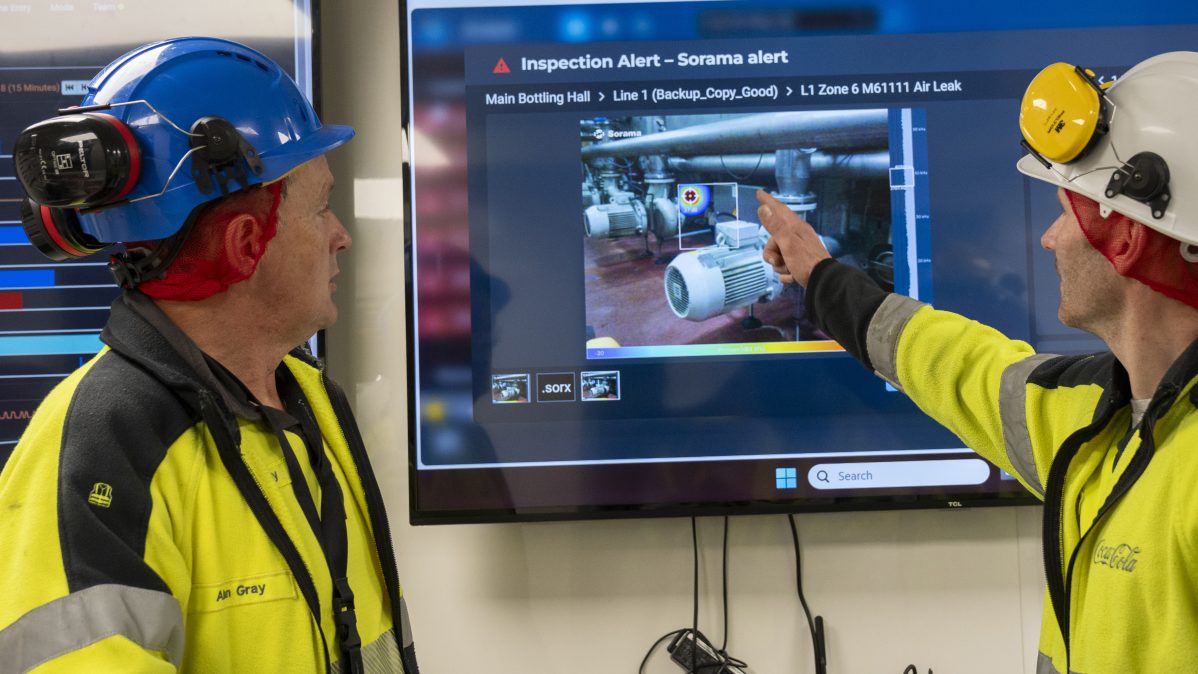
According to the company, this opening lays the groundwork for a new MCP layer that lets artificial intelligence agents deploy Spot autonomously when a business rule is met. Boston Dynamics gives two use cases. For a reliability mission, Spot could be sent to collect more data when a fixed sensor triggers an alert, or to collect data only while the equipment is running. For a security mission, the robot could be dispatched to an area when a CCTV camera or third-party sensor detects movement.
The company presents these scenarios as possibilities opened up by the update. The source provides no independently measured deployment results.
Spot 5.2 video inspections and new sensors
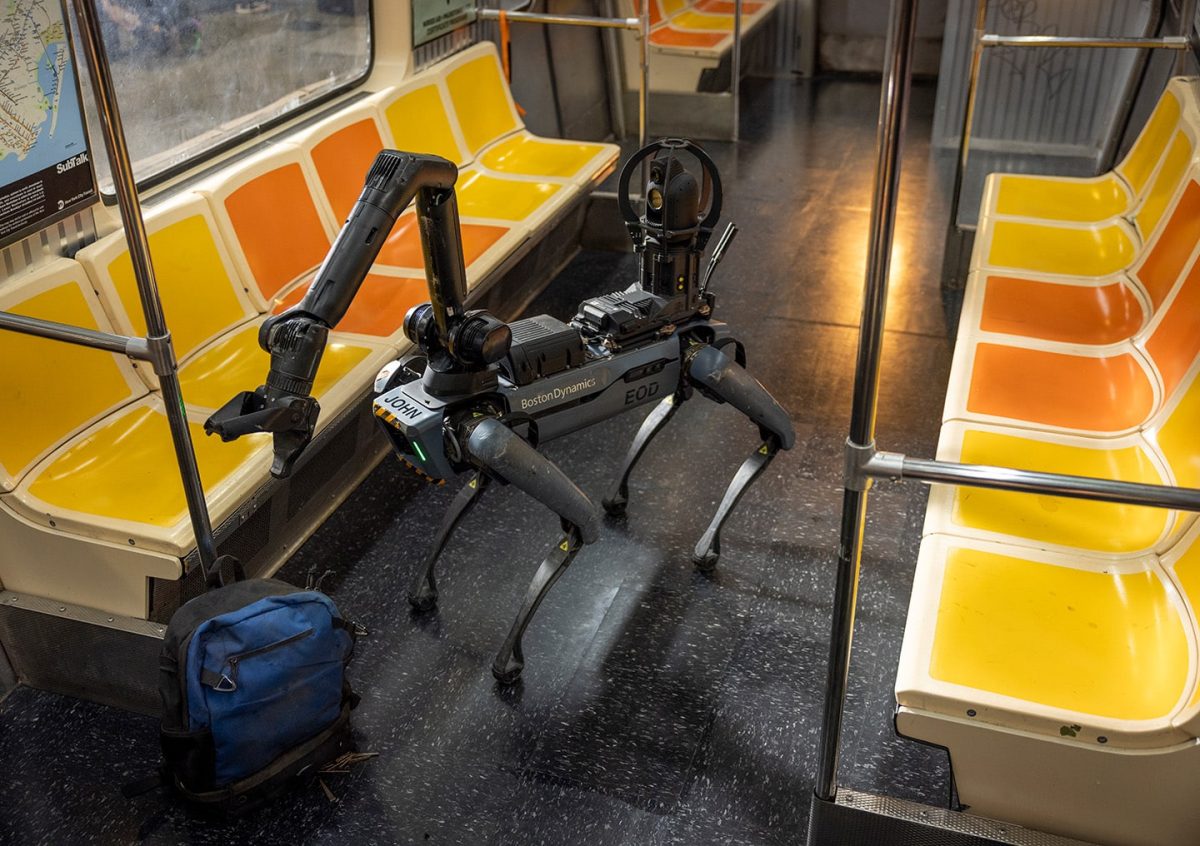
As Boston Dynamics announced previously, Spot’s visual inspections rely on Google Gemini. The model, trained on industrial data according to the company, targets specialised inspections such as 5S boards, level indicators, pallets and gauges.
New in 5.2: video inspections, available only with the AIVI-Learning model. The idea, according to Boston Dynamics, is to capture anomalies that do not show up in a still image: water leaks on pumps and motors that can create dangerous puddles or corrosion, slipping conveyor lines, and indicator lights signalling faulty equipment.
The update also introduces continuous monitoring of transient hazards, called Site Scans. Unlike inspections tied to an asset or location, these scans use the AIVI-Learning model to analyse 360-degree Site View images and spot hazards anywhere on the site: a spill, a person in a restricted area, a suspicious bag. By default, Site Scans monitors the entire facility, but users can configure zones and time windows.
Finally, 5.2 adds three predictive maintenance capabilities. Gas detection relies on the integration of MFE’s Spot Connected Gas Detection solution, which, according to the company, lets Spot monitor more than 20 types of gas in real time and feed this atmospheric data into Orbit during its missions. Visual vibration analysis amplifies sub-visible movements that the naked eye cannot see. Partial discharge detection, via the Sorama L642, inspects high-voltage equipment (cables, bushings, transformers) for early signs of insulation faults.
In this material, Boston Dynamics does not specify pricing, an availability timeline or any specific terms for France.
Further reading: Boston Dynamics Spot: specs, Orbit and use cases · Boston Dynamics: Atlas, Spot, Stretch and Hyundai