Combat demonstrations by Unitree humanoid robots have become less spectacular, according to the company’s founder, Wang Xingxing. The reason is improved stability, which means fewer falls, while a world model now drives the autonomous fights.
On 5 November 2026, Wang Xingxing, founder and CEO of Unitree, discussed the progress of the company’s humanoid robots at the Forum on Cooperation for Innovation and Development of the Humanoid Robot and Embodied Intelligence Industry, held as part of the 9th Hongqiao International Economic Forum. His observation concerns a visible change in the demonstrations: the robots now withstand blows better and fall less often during fights.
Better stability means fewer falls during robot fights
According to Wang Xingxing, robot combat demonstrations look less impressive in 2026 than they did in 2025. He attributes this to progress in balance control.
Previously, the robots were less stable during fights. Their losses of balance and their falls made the bouts more spectacular to watch.
The Unitree executive says that the robots now remain much more stable when they take hits. They end up on the ground less often, which changes how the demonstrations look.
How Unitree uses a world model to control autonomous robot fights
Wang Xingxing also described how the fully autonomous combat system developed by Unitree works. It is built on an end-to-end world model, which processes visual information and produces the decisions behind the robots’ actions.
As the executive described it, the system relies on two main operations:
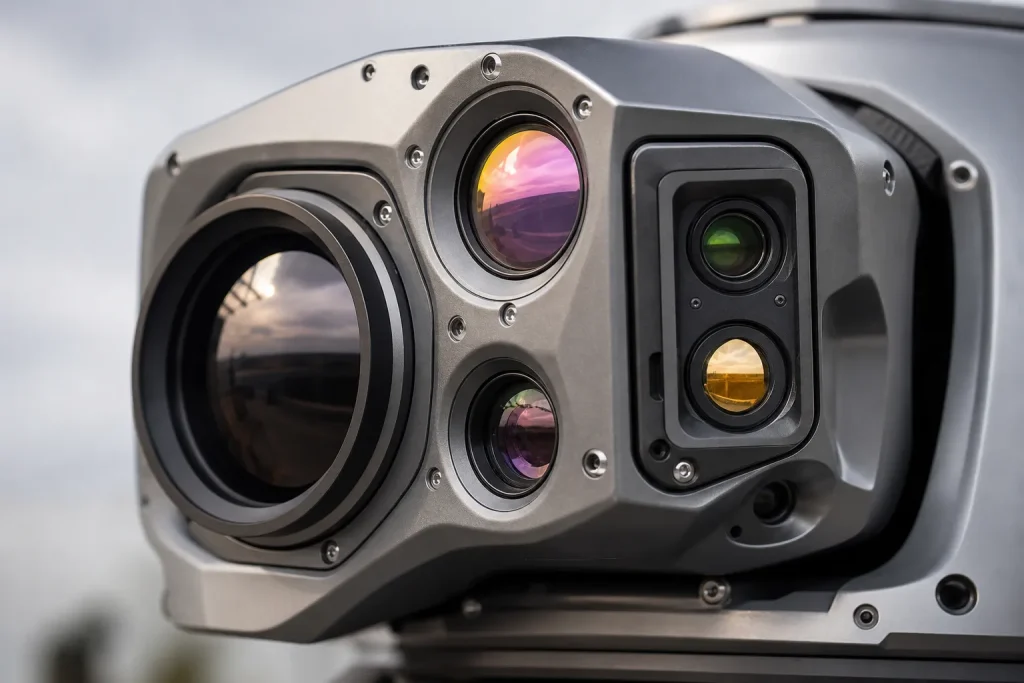
- The robots capture images of their surroundings in real time during fights.
- The model processes these images directly, runs inference and determines which actions to take.
This architecture links visual information to combat decisions within a single processing system.
Unitree introduced the autonomous robot combat concept in 2025
According to Wang Xingxing, Unitree proposed the concept of autonomous robot combat in 2025, more than a year before his talk at the Hongqiao forum.
The executive’s presentation highlighted two technical developments: improved physical balance in the robots and the use of a world model to manage their actions during fights. Fewer falls is the most visible change in the demonstrations Unitree referred to.