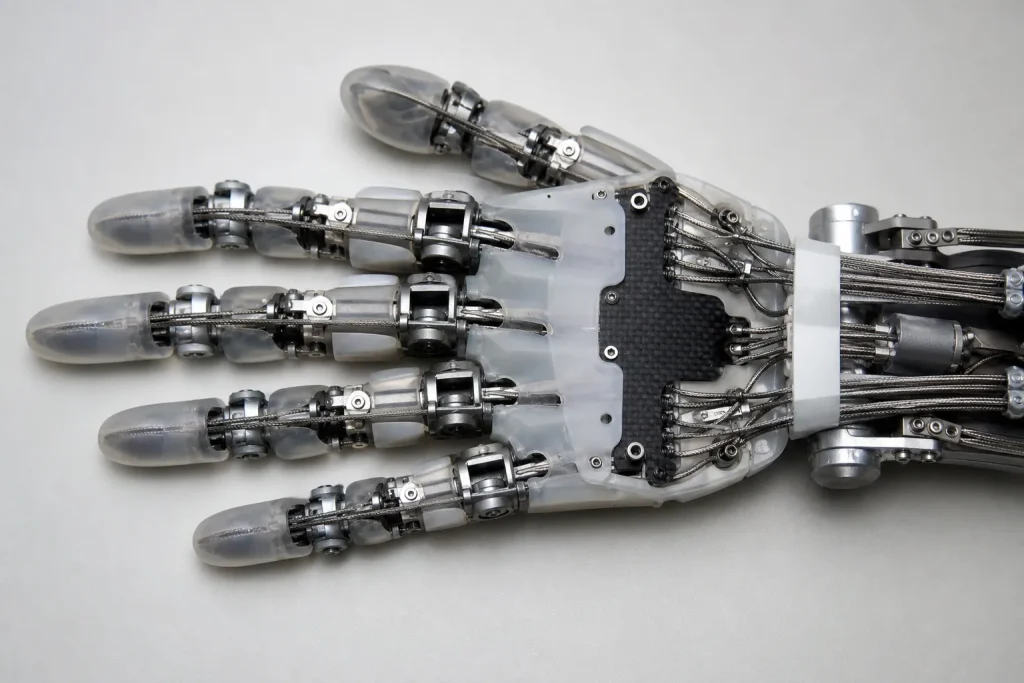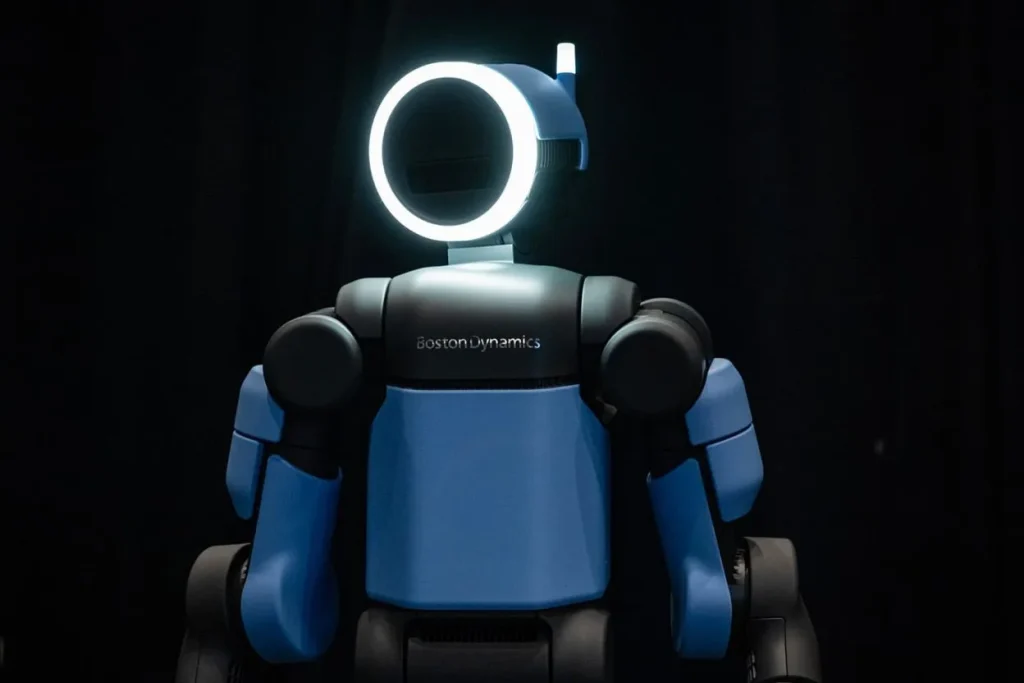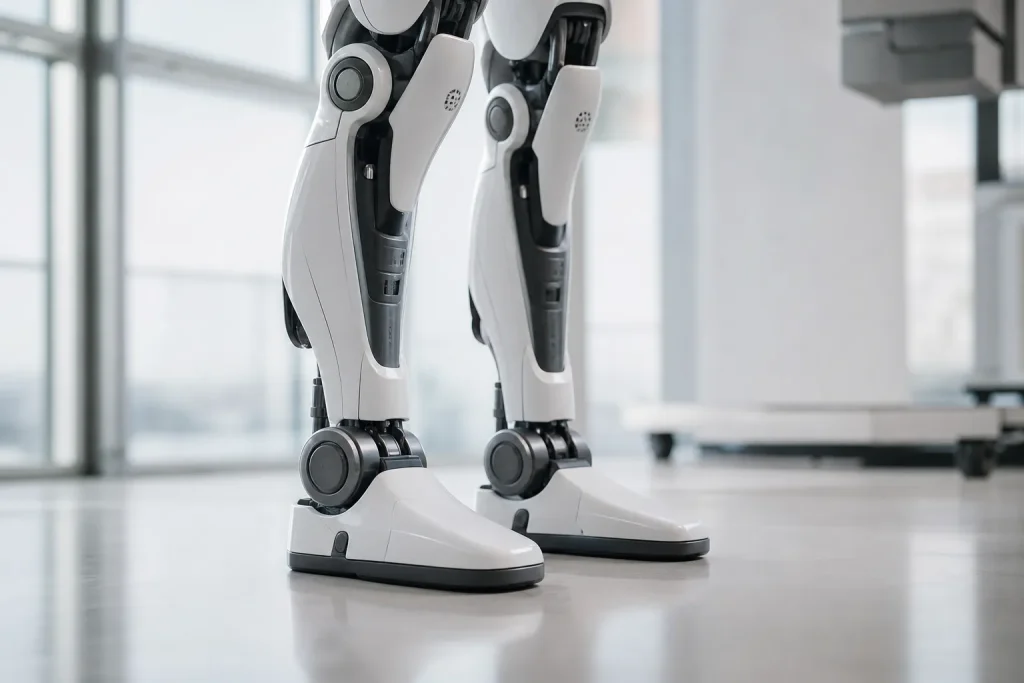
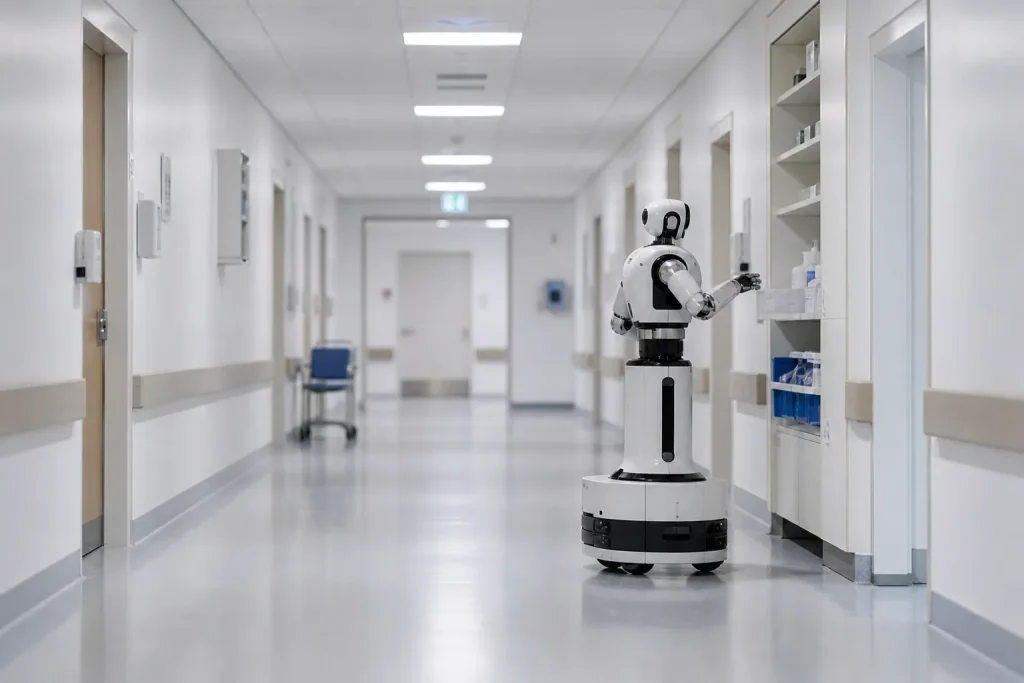
Hallym University Sacred Heart Hospital and Blue Robin have installed a first prototype of a hospital humanoid robot at the Hallym Simulation Center in South Korea. The robot has a humanoid upper body on a wheeled base and is being tested for movement and object handling.
The robot was developed jointly by the hospital and the robotics company Blue Robin, led by Heo Sung-moon. It is a research model intended for assistance tasks in medical settings. The teams ran operational trials in spaces that reproduce the conditions of a real hospital. The aim is to define the functions nursing staff need and the technical specifications of the future robotic system.
How the wheeled humanoid robot was tested in hospital rooms and corridors
The prototype combines a humanoid upper body with a mobile platform on wheels. This configuration lets researchers study how it moves and handles objects in a hospital environment.
The trials took place at the Hallym Simulation Center of Hallym University Medical Center, in spaces set up to reproduce patient rooms and corridors.
The researchers examined several functions aimed at the day-to-day tasks of healthcare facilities:
- Moving through narrow spaces and hospital circulation areas.
- Handing over items, including medical consumables and clothing for patients.
- Transporting mobile medical equipment.
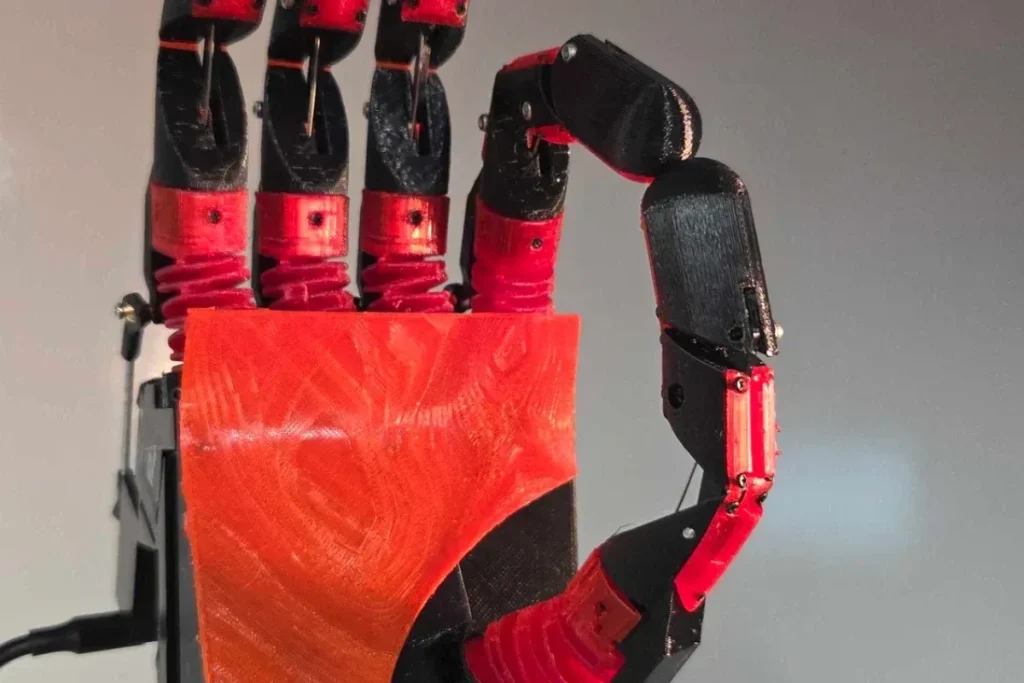
- Precision in handling objects under the specific conditions of hospital wards.
The teams also studied space constraints and possible interference between the robot’s movement paths. These observations are meant to help define operating mechanisms suited to healthcare facilities.
A government-backed research programme launched in 2025 for medical robots
The trials are part of the 2025 Robot Industry Technology Development Project, supported by the Ministry of Industry and Trade. The programme covers the development of a humanoid robot specialised for medical and home environments, built on an artificial intelligence foundation model.

Hallym University Sacred Heart Hospital and Blue Robin have been working together on the project since 2025. The hospital is responsible for defining the tasks to be performed, identifying the requirements of healthcare professionals and evaluating development results against medical criteria.
The data collected during the trials will be used to refine the specifications of the future robot. The partners plan to feed it into the development of hardware and control software adapted to hospital constraints.
What the robot will do: support for nursing staff, not direct medical care
According to Lee Mi-yeon, director of the Command Center at Hallym University Medical Center and professor of radiation oncology, hospital robots require equipment and control software specifically adapted to working conditions in healthcare facilities.
She says the first targeted applications involve reducing the distances medical staff have to cover and carrying out simple tasks, rather than performing medical procedures directly on patients.
The current trials are therefore a phase for defining functions and technical requirements. The robot presented is a research prototype undergoing basic operational tests, not equipment already deployed to provide patient care.
Training healthcare staff to work with robots at the Hallym Simulation Center
The project also plans to change the role of the Hallym Simulation Center. Until now dedicated to training students and medical staff in care and clinical practice, the centre is set to host training activities that bring humans and robots together.
Park Sung-ho, director of the H-CORE centre and professor of obstetrics and gynaecology at Hallym University Kangnam Sacred Heart Hospital, wants this environment to let robots learn hospital tasks and healthcare professionals train in working alongside them.
The H-CORE centre plans to gradually set up a teaching and training programme dedicated to collaboration between medical staff and robots, using the facilities of the Hallym Simulation Center.