Serve Robotics has launched AV Delivery Developer Portal, a platform that lets developers, businesses and AI assistants order its autonomous delivery robots through an API. A simulator allows applications to be tested before any real-world deployment.
Until this announcement, Serve Robotics’ robots were only available through partner delivery platforms. The US company is now opening its fleet to new uses: moving goods between offices, deliveries for local shops, or integration into applications driven by artificial intelligence. Access to the physical robots still requires the company’s authorisation.
How the Serve Robotics API lets an app order a delivery robot
With its new AV Delivery Developer Portal, Serve Robotics lets third-party software call on its delivery robots directly. According to the company, a few lines of code are enough to add this feature to an application or an AI agent.
The process follows a sequence of steps: an application requests a pickup and a destination, confirms the delivery details, then tracks the robot until the end of its mission.
Serve Robotics keeps control of the physical operations, including robot assignment, route planning, autonomous navigation and remote supervision.
The aim is notably to let businesses use the robots to carry items between their premises. Local shops can also build the service into their operations to expand their delivery options without hiring additional staff, according to Serve Robotics.
A simulator for testing before real deliveries
Serve Robotics is pairing its public API with a test environment called a sandbox. Developers can use it to simulate how the robots operate, run delivery scenarios and test edge cases before requesting a physical vehicle.
The sandbox is aimed at professional developers as well as hobbyists who want to experiment with robotics applications.
The documentation and the simulator are available on Serve Robotics’ developer portal. Moving on to real deliveries, however, requires prior approval from the company.
Serve Robotics fleet: more than 2,000 robots in the US and Australia
Founded in 2021 from a business that came out of Uber, Serve Robotics designs and operates robots that, according to the company, can travel autonomously through urban environments used by pedestrians.
Serve Robotics says it has deployed more than 2,000 robots in the United States and Australia, with coverage reaching about 3 million people and a delivery service that handles more than 4,000 restaurants.
The company also says its systems have completed several hundred thousand deliveries in more than 150 neighbourhoods across 20 US cities.
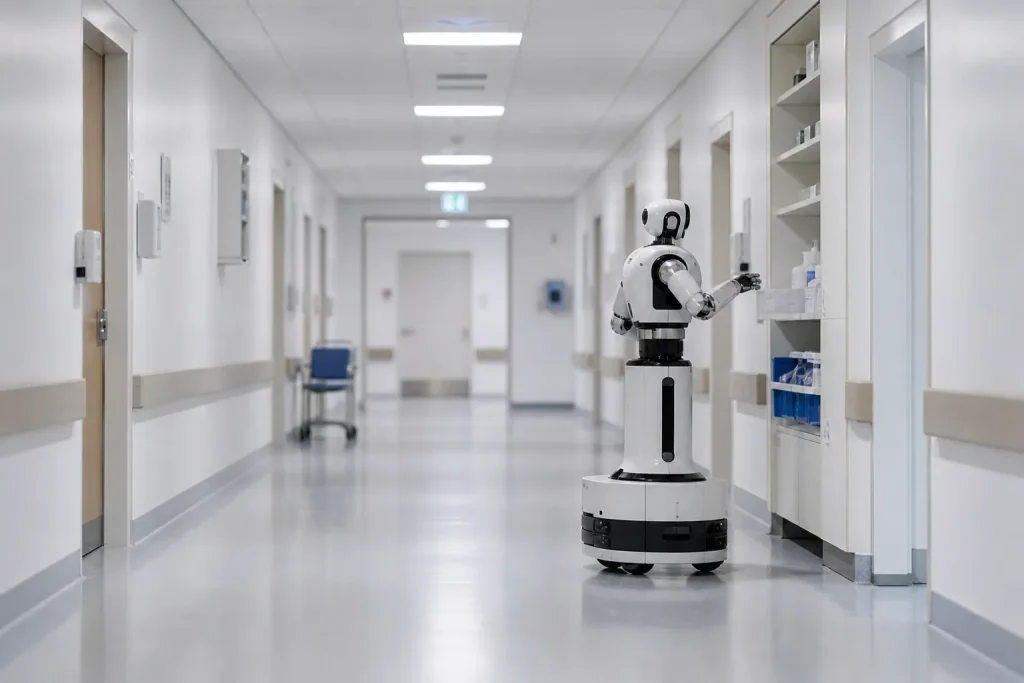
The API launch follows the introduction of Serve Physical AI Services, another initiative aimed at companies developing new categories of robots. Serve Robotics has also announced the acquisition of Diligent Robotics, which specialises in hospital service robots.
Where and when the robots can deliver: service zones and hours
Use of the fleet remains limited by the network’s operational capacity. Deliveries must take place in areas already served by Serve Robotics and during the service’s operating hours.
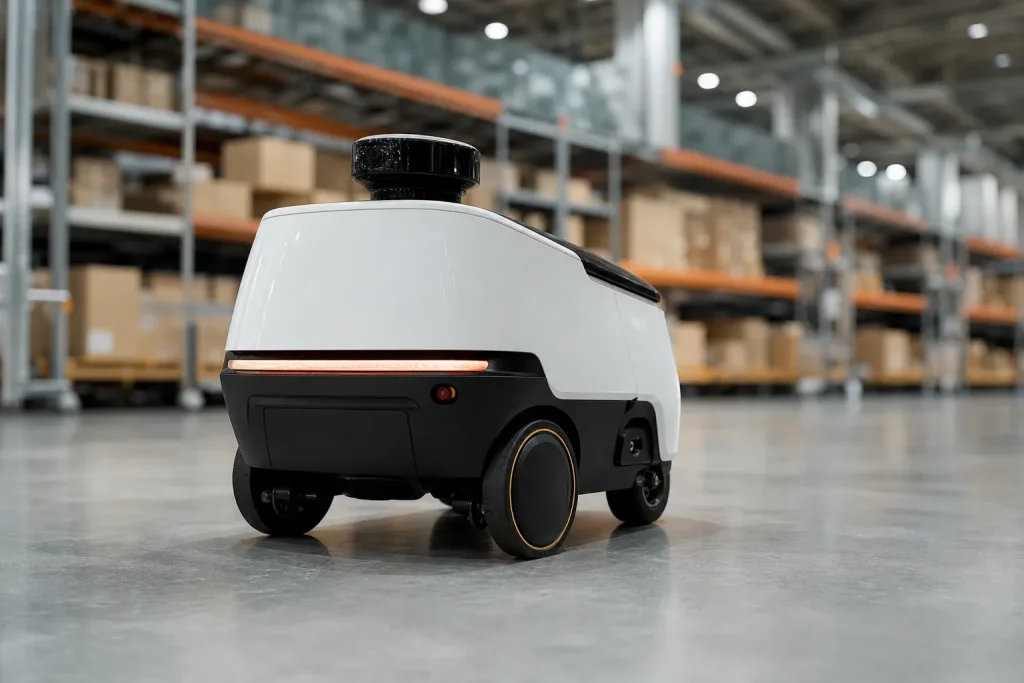
The goods being carried must also fit in the robot’s cargo compartment.
Developers can start testing in the simulator available at developer.serverobotics.com. To make deliveries with the robots in service, they then need to request access from Serve Robotics and obtain its approval.