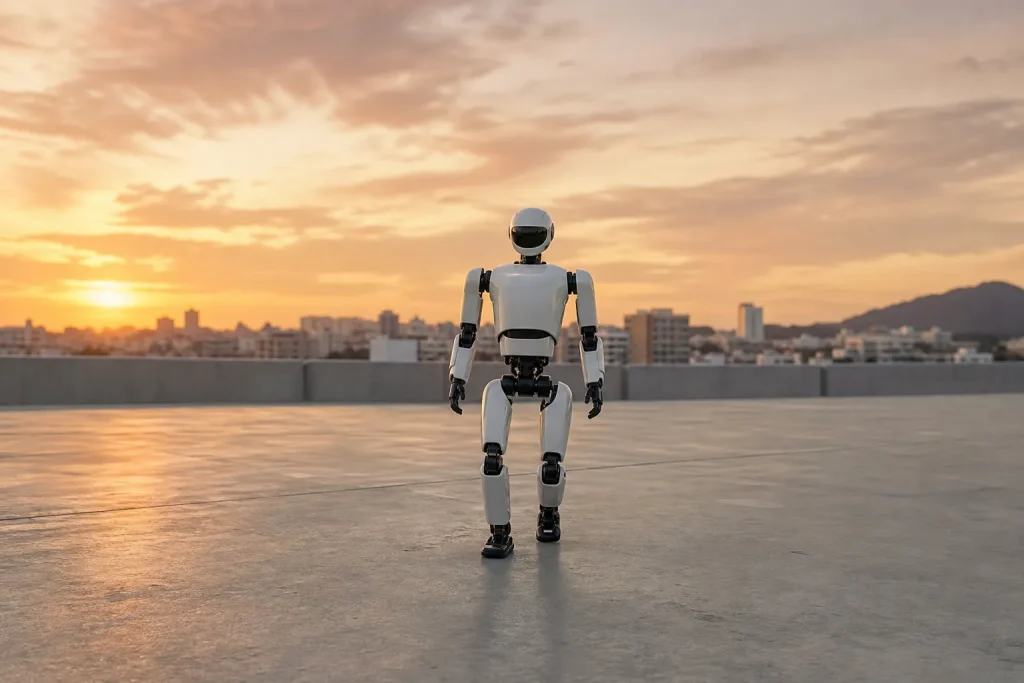
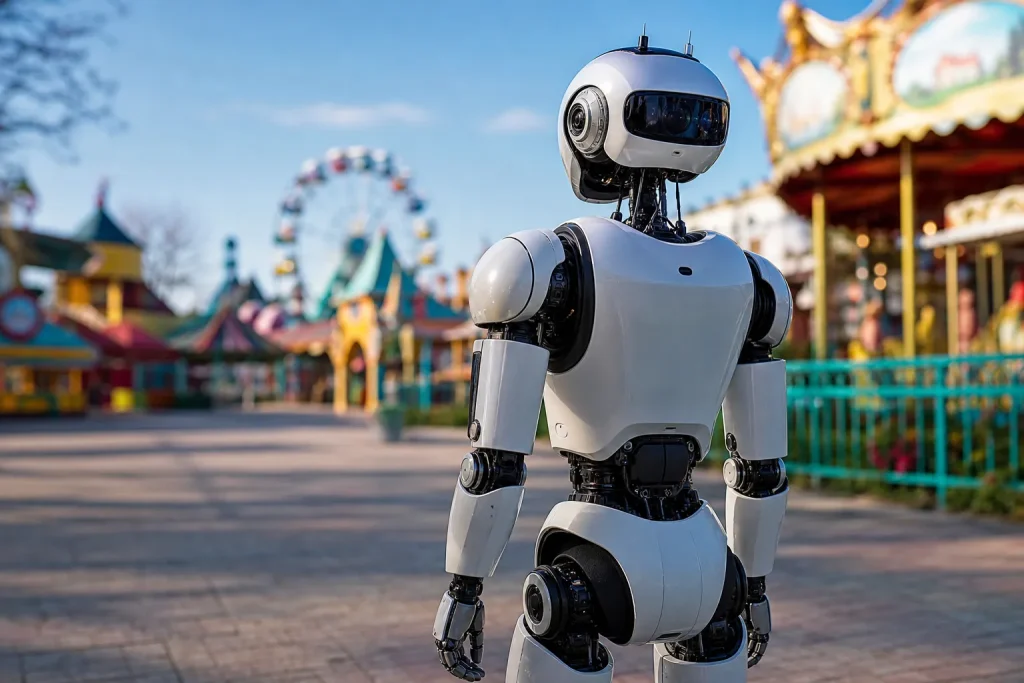
Dynamic Creatures is partnering with Sixth Wall Studio, Hasbro’s artificial intelligence studio, to develop robots that embody fictional characters. The goal is to let them talk with visitors, express emotions through movement and remember previous encounters.
The partnership brings together Dynamic Creatures’ mobile, expressive robots and the character-creation technology of Sixth Wall Studio, which Hasbro launched in June 2026. The companies are considering interactive experiences in theme parks, resorts and hospitality venues. The project focuses on developing new physical interactions with Hasbro characters.
How the robot characters will talk, move and respond to visitors
Sixth Wall Studio contributes its CharacterOS platform, which handles the personality and conversations of virtual characters. Its Behavioral Licensing system is designed to preserve their behaviour, their voice and their faithfulness to the stories they come from.
Dynamic Creatures is to give these characters a physical presence with robots that can combine conversation with expressive movements, eye contact, gestures and reactions.
Marc Theerman, co-founder and CEO of Dynamic Creatures, explains that CharacterOS currently focuses on voice, while his company works on physical embodiment. In particular, the partners want to turn conversational responses into body language consistent with each character’s personality.
Roberta Thomson, CEO of Sixth Wall Studio, says the aim is to preserve the personality, voice and backstory that fans love while developing new forms of interaction in the physical world.
Hugo: Dynamic Creatures’ first robot character
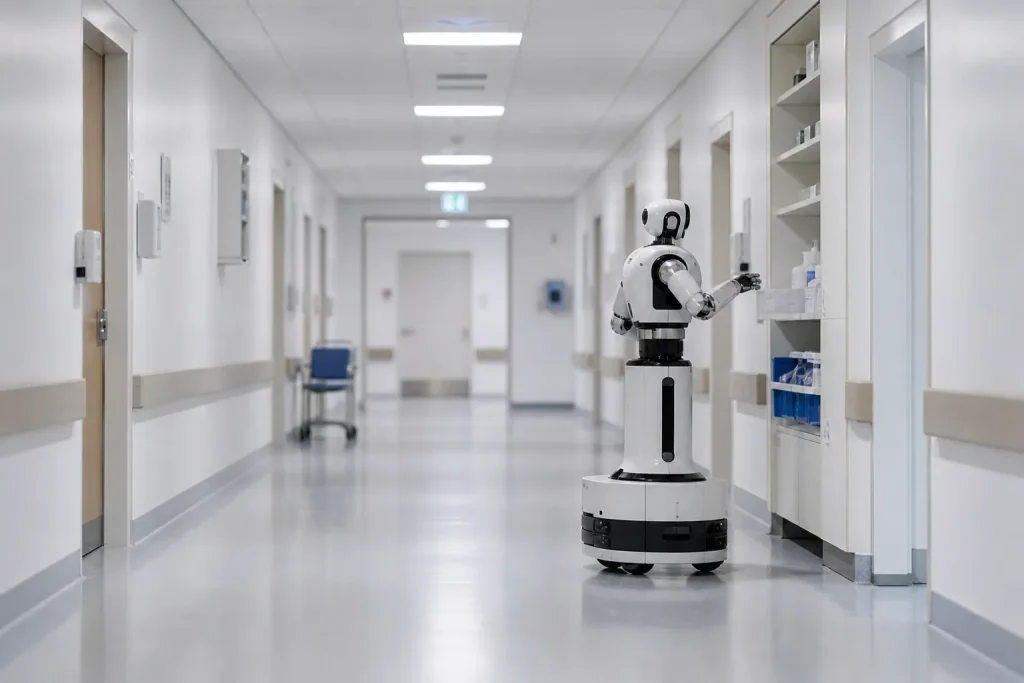
Dynamic Creatures designed Hugo, its first robot character, to move freely through areas busy with visitors. The company develops custom robots and character-based experiences built on existing robotic platforms.
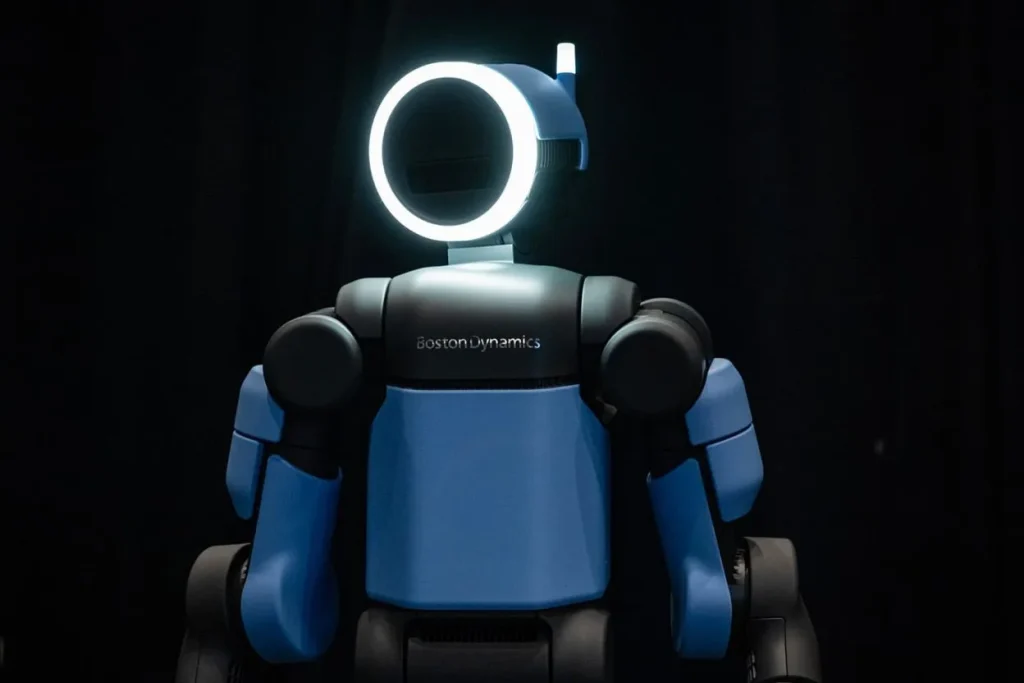
Dynamic Creatures, which came out of stealth in September 2026, is also an official Boston Dynamics partner for the hospitality and entertainment sectors.
The partnership with Sixth Wall Studio covers the development of future robotic experiences around Hasbro characters. The personalised interactions described by the companies are planned uses, not features presented as already deployed to the public.
Could a robot recognise visitors from their admission ticket?
The partners envisage encounters that continue over the course of a visit or a stay. At a resort, a robot character could greet a visitor, offer them a quest, then ask how it went at a later meeting.
Marc Theerman also describes a scenario in which visitors would show their admission ticket to the robot to be identified. The character could then personalise the exchange, for example by recommending restaurants or offering suggestions to avoid certain queues.
These applications could extend to hotels, cruise ships, shops and other immersive spaces.
The memory functions would be developed around visitor choice and clearly defined permissions. How they are used would be adapted to each venue and each application. Sixth Wall Studio’s first experiences would target audiences aged 13 and over.
Safety: human supervision before more autonomy
Safety is a major part of the development work. According to Marc Theerman, Hasbro is focusing on the safety of interactions with the characters, while Dynamic Creatures is working on the physical safety of the robots.
For the first applications, a human operator would remain involved in running the robot. Dynamic Creatures then plans to introduce more autonomous functions gradually.
This shift would move the operator’s role from teleoperation, which means controlling the robot remotely, to remote monitoring, in which a human supervises its behaviour.
The partners thus envisage a progression towards robot characters that can handle more interactions on their own, while keeping human supervision suited to each venue and use.